Is Your Rooftop Unit Ready for Winter?

November 17, 2026

Don't Wait for a Chicago Blizzard to Find Out Your Heating Equipment Isn't Ready!


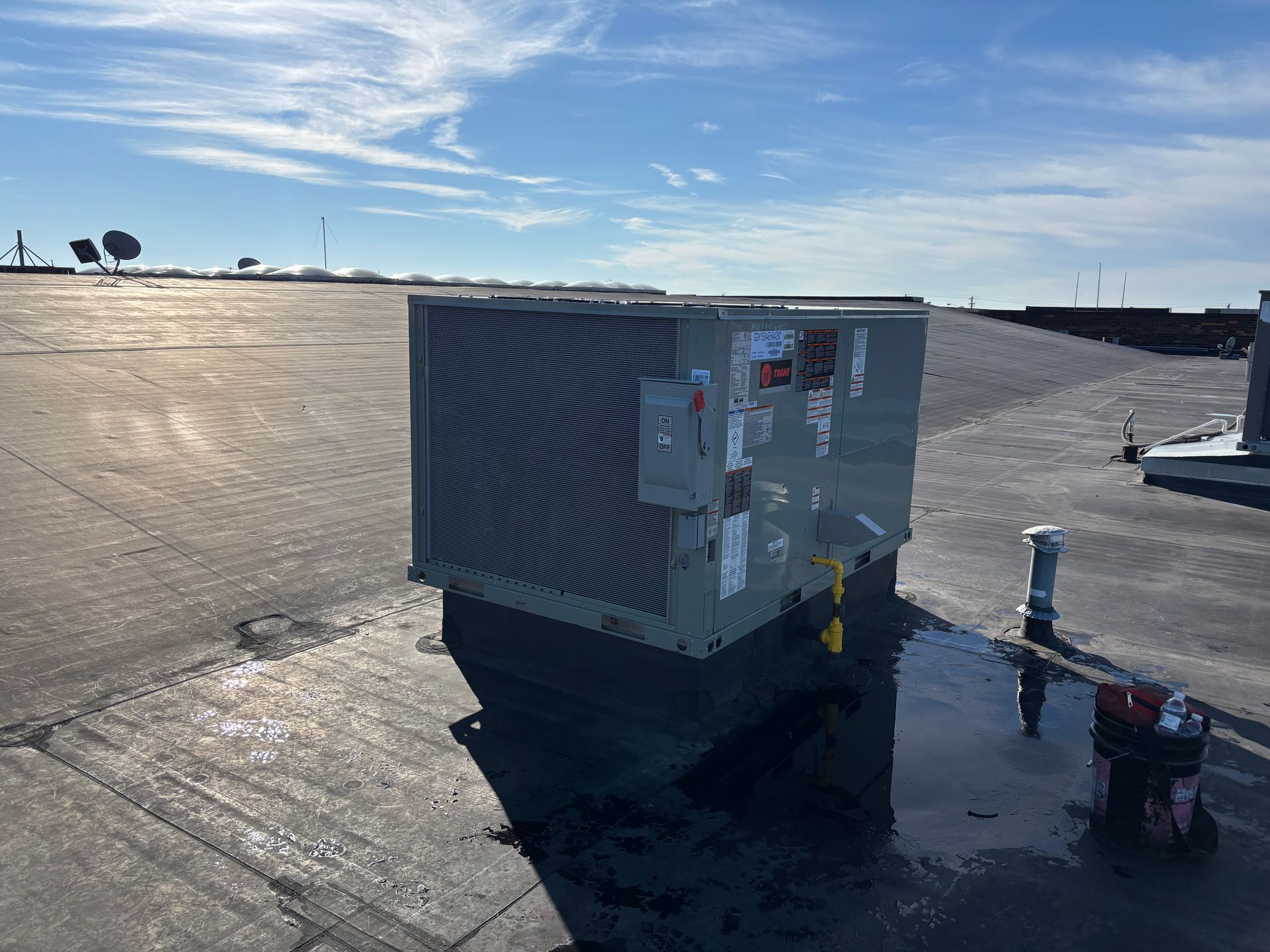
When winter arrives in the Chicago area, your commercial HVAC equipment doesn't get much of a break. Freezing temperatures, bitter winds, snow, and sudden temperature swings can put tremendous demands on rooftop heating equipment. If your building relies on older rooftop units (RTUs), now is the time to determine whether they are ready for another heating season.


An aging rooftop unit may still be running, but that doesn't necessarily mean it's operating efficiently or reliably. Equipment that struggles to maintain indoor temperatures, requires frequent service calls, or produces increasingly expensive repair bills may be telling you something: It could be time to start planning for a replacement.


The last thing any business owner or facility manager wants is a heating failure in the middle of a busy business day, leaving employees uncomfortable, customers unhappy, and store operations disrupted.


Warning Signs Your Rooftop Unit May Be in Trouble


Older rooftop units often show signs of declining performance before they experience a major failure. Recognizing these warning signs can help you address problems before they become expensive emergencies.


Here are several things to watch for:


• Frequent Breakdowns: If your equipment requires repeated service calls, those repair expenses can quickly add up. Frequent failures may indicate that major components are nearing the end of their useful life.

• Uneven Heating: Are some areas of your building comfortable while others feel like they're hosting a winter camping trip? Inconsistent temperatures can point to problems with heating components, airflow, controls, or equipment capacity.

• Unusual Noises: Grinding, rattling, banging, or squealing sounds should never be ignored. These noises may indicate worn motors, loose components, failing bearings, or other mechanical problems.

• Rising Energy Costs: Older or poorly maintained equipment may have to work harder and run longer to maintain comfortable indoor temperatures, increasing energy consumption and operating expenses.

• Increasing Repair Costs: When repair bills become more frequent and expensive, it may be more economical to invest in replacement equipment rather than continue putting money into an aging system.

• Difficulty Maintaining Temperature: If your rooftop unit runs constantly but struggles to keep your building warm during colder weather, it may no longer be performing as it should.


Why Wait Until Winter to Evaluate Your Equipment?


Chicago winters can be unpredictable. A mild November can quickly turn into freezing December temperatures, followed by bitter cold and heavy snowfall. When temperatures plunge, commercial heating equipment is pushed to its limits.


Waiting until a rooftop unit fails can create several problems for your business:


• Business Disruptions: Heating failures can interrupt daily operations and potentially force businesses to limit hours or temporarily close.

• Uncomfortable Employees and Customers: Maintaining a comfortable indoor environment is important for employee productivity and customer satisfaction.

• Emergency Repair Expenses: Unexpected equipment failures often require immediate attention, leaving little time to evaluate options or plan a budget.

• Limited Replacement Flexibility: Emergency replacements can create scheduling challenges and reduce the time available to compare equipment options and plan an installation.


Planning ahead gives business owners and facility managers more control over equipment decisions, project scheduling, and capital expenditures.


Repair or Replace? Know Your Options.


Not every aging rooftop unit needs to be replaced. In some situations, a professional repair and continued preventive maintenance may be the most practical solution.


However, if your equipment is older, inefficient, unreliable, or experiencing repeated mechanical problems, replacement may offer better long-term value.


Carey's Heating and Air Conditioning can evaluate your existing equipment and help you consider several important factors:


• The age and overall condition of your rooftop units.

• The frequency and cost of previous repairs.

• Current equipment efficiency and operating performance.

• Availability and condition of replacement parts.

• Your building's heating requirements and operating schedule.

• The potential benefits of upgrading to newer, more efficient equipment.


Our goal is to help you make an informed decision that considers equipment reliability, operating costs, and your business's long-term needs.


Preventive Maintenance: Your First Line of Defense


Whether your rooftop units are relatively new or approaching the end of their service life, regular preventive maintenance is essential.


A professional commercial HVAC inspection can help identify developing problems before they turn into unexpected breakdowns. Depending on the equipment and manufacturer requirements, maintenance may include:


• Inspecting heat exchangers and heating components.

• Checking burners, ignition systems, and safety controls.

• Inspecting motors, belts, bearings, and electrical connections.

• Replacing or cleaning air filters as needed.

• Checking thermostats and temperature controls.

• Inspecting airflow and system operation.

• Evaluating overall equipment condition and identifying potential concerns.


Ongoing maintenance helps improve reliability, supports efficient operation, and gives you a better understanding of the condition of your HVAC investment.


Let Carey’s Help You Prepare for Winter


Since 1992, Carey’s Heating and Air Conditioning has provided commercial customers throughout Chicago and the surrounding suburbs with professional HVAC maintenance, repair, and replacement services.


Our highly trained technicians are members of Chicago Pipefitters Local 597, Sheet Metal Workers SMART 265, or IBEW Local 134. Their training, experience, and commitment to quality workmanship help ensure your commercial HVAC equipment receives the professional attention it deserves.


We work with a variety of commercial properties, including retail stores, restaurants, office buildings, industrial facilities, and multi-location retail operations. Whether you need a preventive maintenance inspection, an equipment repair, or a complete rooftop unit replacement, Carey’s can help you develop a practical plan to keep your business operating comfortably throughout the winter.


Don't wait for your rooftop unit to quit on the coldest day of the year!


Schedule an evaluation of your commercial heating equipment before winter weather arrives. A planned replacement is almost always easier to manage than an emergency installation during a Chicago blizzard.


November 16, 2026
Bath and Body Works, Peru, IL: Unit Replacement
November 11, 2026
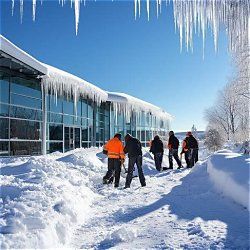
Keep the Cold Outside and Your Heating Costs Under Control When winter arrives in the Chicago area, keeping your retail store or commercial property warm can become an expensive challenge. Between freezing temperatures, strong winds, and unpredictable weather, your HVAC system already has plenty of work to do. The last thing you want is to pay to heat the outdoors because warm air is escaping through poorly sealed doors, windows, and other openings. Air leaks and inadequate weatherstripping can allow heated indoor air to escape while letting cold outdoor air enter. The result? Your heating system has to work harder and run longer to maintain comfortable temperatures, potentially increasing energy costs and putting additional strain on your equipment. A few simple building inspections and maintenance steps can make a meaningful difference. Where Should You Look for Air Leaks? Commercial buildings have several areas where outside air can find its way inside. Pay particular attention to: Exterior Doors and Entrances: Frequent customer, employee, and delivery traffic can make entrances a major source of heat loss. Check door closers, weatherstripping, thresholds, and seals to ensure doors close properly. Loading Docks and Delivery Areas: Large overhead doors can allow significant amounts of cold air inside, especially when damaged seals or gaps are present. Keep doors closed when not in use and inspect perimeter seals regularly. Windows and Frames: Look for cracked caulking, deteriorated seals, and noticeable drafts around window frames. Repairing these areas can help prevent unwanted heat loss. Service Entrances and Utility Openings: Employee entrances, maintenance access doors, and openings around pipes, wiring, and other building penetrations can create opportunities for cold air infiltration. Vestibules and Entrance Areas: For retail stores, restaurants, and other customer-facing businesses, entrance areas deserve special attention. Make sure interior and exterior doors are functioning properly and that vestibule areas are not allowing excessive cold air into occupied spaces. Five Ways to Keep the Heat Inside Here are a few practical steps business owners and facility managers can take to reduce unnecessary heat loss: Inspect Weatherstripping Regularly. Replace worn, cracked, or missing weatherstripping around doors and windows. Even small gaps can allow cold air to enter. Check Door Closers. Make sure exterior doors close completely after customers, employees, and delivery personnel pass through. A door left slightly open can quickly become an expensive invitation for winter weather. Maintain Loading Dock Seals. Inspect dock doors, perimeter seals, and dock levelers for damage or gaps. These areas are particularly vulnerable during windy winter conditions. Address Drafts Promptly. If employees or customers regularly complain about cold spots near entrances or windows, investigate the source rather than simply turning up the thermostat. Maintain Your HVAC System. Properly maintained heating equipment, clean filters, functioning controls, and balanced airflow help your system operate more efficiently and maintain consistent indoor temperatures. Don't Overlook Your HVAC System! While sealing air leaks is important, your heating system also needs regular attention to perform efficiently throughout the winter. A properly maintained HVAC system helps maintain comfortable temperatures, improves operating efficiency, and reduces the risk of unexpected equipment problems during the coldest days of the year. Carey's Heating and Air Conditioning provides commercial HVAC maintenance, repair, and replacement services to businesses and commercial properties throughout Chicago and the surrounding suburbs. Since 1992, our team has helped commercial customers maintain dependable heating and cooling systems. Our technicians are members of Chicago Pipefitters Local 597, Sheet Metal Workers SMART 265, or IBEW Local 134. Their training, experience, and commitment to quality workmanship help ensure your commercial HVAC equipment receives the professional attention it deserves. Whether you manage a retail store, restaurant, office building, industrial facility, or multi-location commercial property, Carey’s can help keep your building comfortable and your HVAC equipment operating reliably. Keep Your Customers Comfortable. Keep Your Energy Dollars Inside. Chicago winters are expensive enough without heating the parking lot, sidewalk, or loading dock! Take a few minutes to inspect your building for drafts, repair worn seals, and make sure your heating equipment is ready for the season. Carey’s Heating and Air Conditioning — Your customers are welcome. The winter wind is not!  Call Carey’s at 708-532-2449 to discuss your commercial HVAC maintenance needs.
November 4, 2026
One employee is freezing, another is opening a window, and someone else keeps adjusting the thermostat. Sound familiar? Establish reasonable temperature settings and operating schedules based on occupancy, comfort, and building needs and always follow your Company’s guidelines for approved thermostat settings. Our technicians can check thermostat programming, controls and HVAC operation to ensure your system follows the correct schedule for business hours, nights, and weekends and is operating at peak efficiency. Carey’s tip: Your thermostat should manage your climate—not become your business’s most controversial employee. Call Carey’s at 708-532-2449 to schedule your commercial HVAC service.