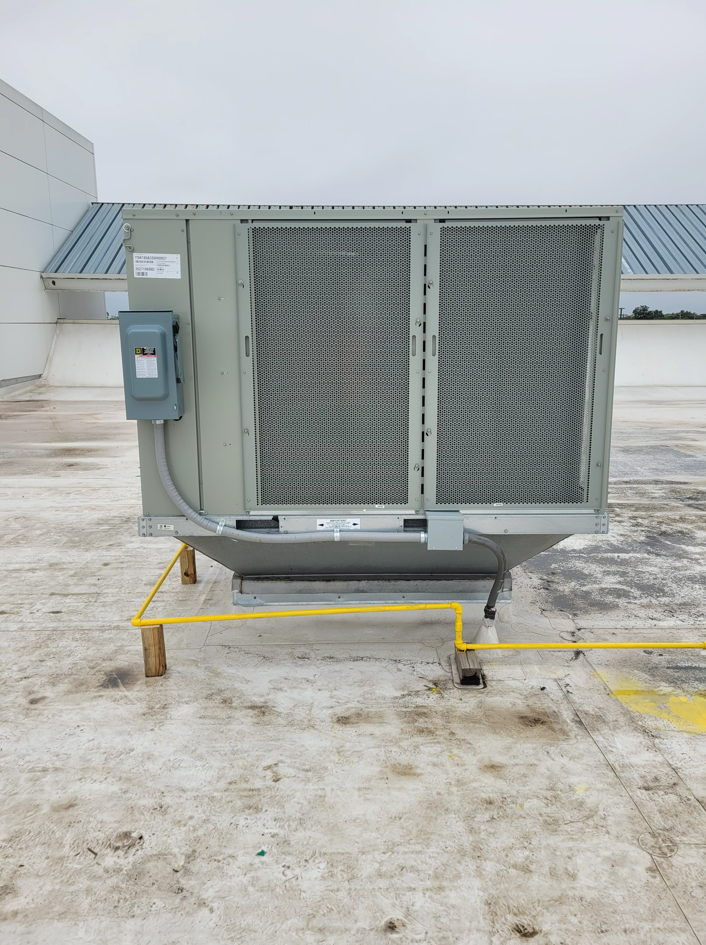
LensCrafters berwyn: Unit Replacement
When selecting a commercial heating and air conditioning contractor, most businesses focus on price, response time, and technical expertise. Those are all important—but there's another factor that deserves a spot at the top of your checklist: Safety. After all, you're not just hiring someone to fix an air conditioner. You're inviting a contractor onto your property, around your employees, customers, inventory, equipment, and facilities. That's why choosing a contractor with comprehensive safety protocols and a commitment to regulatory compliance is critical. Why Safety Matters Commercial HVAC work can involve: Rooftop access Electrical systems Heavy equipment Refrigerants Ladders and lifts Tight mechanical spaces In other words, it's not exactly a desk job. A contractor that prioritizes safety protects not only their employees but also your business from unnecessary risks, delays, accidents, and liability. Because the only thing worse than a broken rooftop unit is a broken rooftop unit with an incident report attached to it. Ask About Their Safety Program A quality HVAC contractor should have a comprehensive safety program that includes: OSHA-compliant procedures Ongoing safety training Personal Protective Equipment (PPE) requirements Drug and alcohol policies Jobsite hazard assessments Incident reporting and investigation processes Regular safety meetings and continuing education If their safety program consists of "Don't fall off the roof," you may want to continue your search. Verify Regulatory Compliance Professional HVAC contractors should maintain compliance with: OSHA workplace safety regulations EPA refrigerant handling requirements Local building and mechanical codes Environmental regulations Manufacturer installation standards Contractors who take shortcuts with regulations often take shortcuts elsewhere—and that's rarely a good thing when your comfort system is responsible for keeping customers and employees comfortable year-round. Look for Highly Trained Technicians The best contractors invest heavily in technician education and professional development. Well-trained technicians understand: Safe work practices Electrical safety Fall protection Equipment diagnostics Refrigerant management Emergency procedures Better training typically leads to better workmanship, fewer mistakes, and fewer emergency calls that begin with, "You're not going to believe this..." Union Training Matters Many businesses find additional value in contractors that employ union technicians. Organizations such as Chicago Pipefitters Local 597, Sheet Metal Workers SMART 265, and IBEW Local 134 provide extensive apprenticeship programs and ongoing technical and safety training. For customers, that often means highly skilled professionals who understand both the technical and safety requirements of commercial HVAC systems. Insurance Is More Than Paperwork Always verify that your contractor carries: General liability insurance Workers' compensation coverage Commercial vehicle insurance Think of insurance like air conditioning. You hope you never need it, but you'll be very glad it's there when things get hot. Evaluate Their Maintenance Approach A contractor committed to safety isn't just focused on repairs—they're focused on prevention. Comprehensive maintenance programs help identify: Electrical hazards Refrigerant leaks Worn components Airflow issues Equipment inefficiencies Potential system failures Finding problems early can prevent costly downtime, uncomfortable occupants, and emergency service calls during the hottest week of the Chicago summer. And let's be honest: your customers came to buy products or conduct business—not to experience life inside a convection oven. The Bottom Line The lowest bid isn't always the best value. A quality commercial HVAC contractor should bring more than tools and replacement parts. They should bring a culture of safety, regulatory compliance, technical expertise, and accountability. When evaluating contractors, look for a company that invests in its people, follows strict safety procedures, and takes protecting your employees, customers, and property as seriously as you do. Because when it comes to commercial HVAC, comfort is important—but keeping everyone safe while delivering that comfort is what separates good contractors from great ones. And remember: the goal is to keep your building cool, not give your insurance carrier an exciting story to tell. Call Carey’s Heating and Air Conditioning at (708) 532-2449 today! .
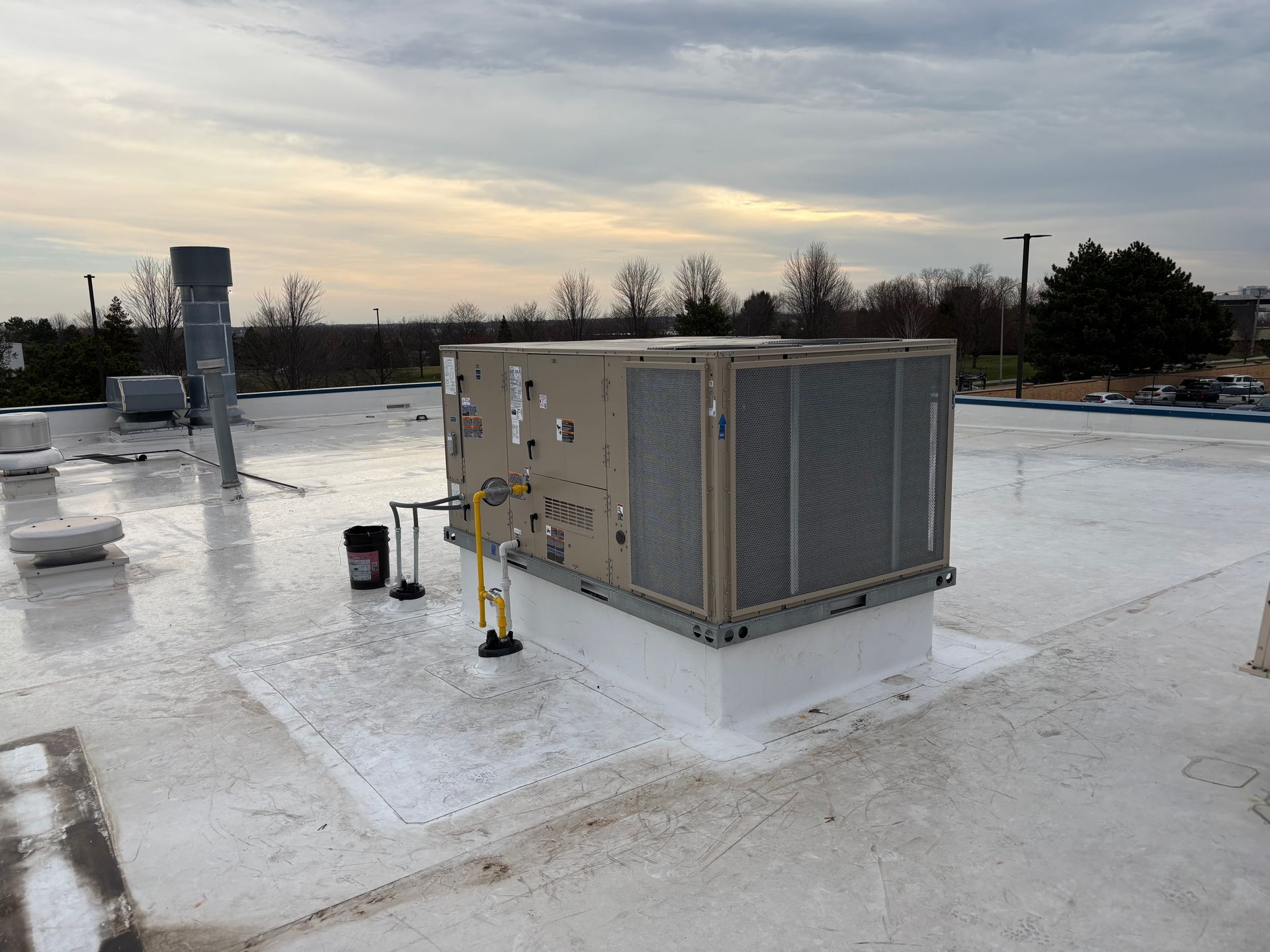
Nobody wakes up excited for HVAC maintenance. But emergency breakdowns during business hours tend to ruin everyone’s day. Routine maintenance helps: Reduce unexpected downtime Improve energy efficiency Extend equipment life Catch small issues before they become expensive repairs Preventative Maintenance Reminder: ✔ Inspect belts and motors ✔ Check refrigerant levels ✔ Clean coils ✔ Test controls and safety devices ✔ Replace filters Think of it as a wellness check for your HVAC system — minus the awkward waiting room magazines.